FBA Prep vs In-House Warehouse: Cost Breakdown for High-Volume Amazon Brands
As Amazon brands scale, operational decisions often have a greater impact on profitability than advertising or product sourcing. One of the most critical choices high-volume sellers face is whether to use an FBA prep service or operate an in-house warehouse. While both models have advantages, their cost structures and risk profiles are very different.
For high-volume Amazon brands, understanding the true total cost of each option, not just surface pricing, is essential before making a long-term commitment.
What Is an FBA Prep Service?
An FBA prep service receives inventory, prepares it according to Amazon’s strict guidelines, and ships it to Amazon fulfillment centers. Typical services include labelling, poly bagging, bundling, carton optimization, palletizing, and appointment scheduling.
Many large Amazon sellers partner with experienced providers such as Awesome Solutions to ensure compliance, reduce inbound errors, and maintain predictable, scalable costs as order volume grows.
What Is an In-House Warehouse?
An in-house warehouse means the brand manages its own storage, labour, and prep operations. Inventory is shipped to a private facility, where internal teams prepare and send products to Amazon fulfillment centers.
While this approach offers greater operational control, it also introduces fixed overhead, staffing challenges, and operational complexity that increase rapidly as volume scales.
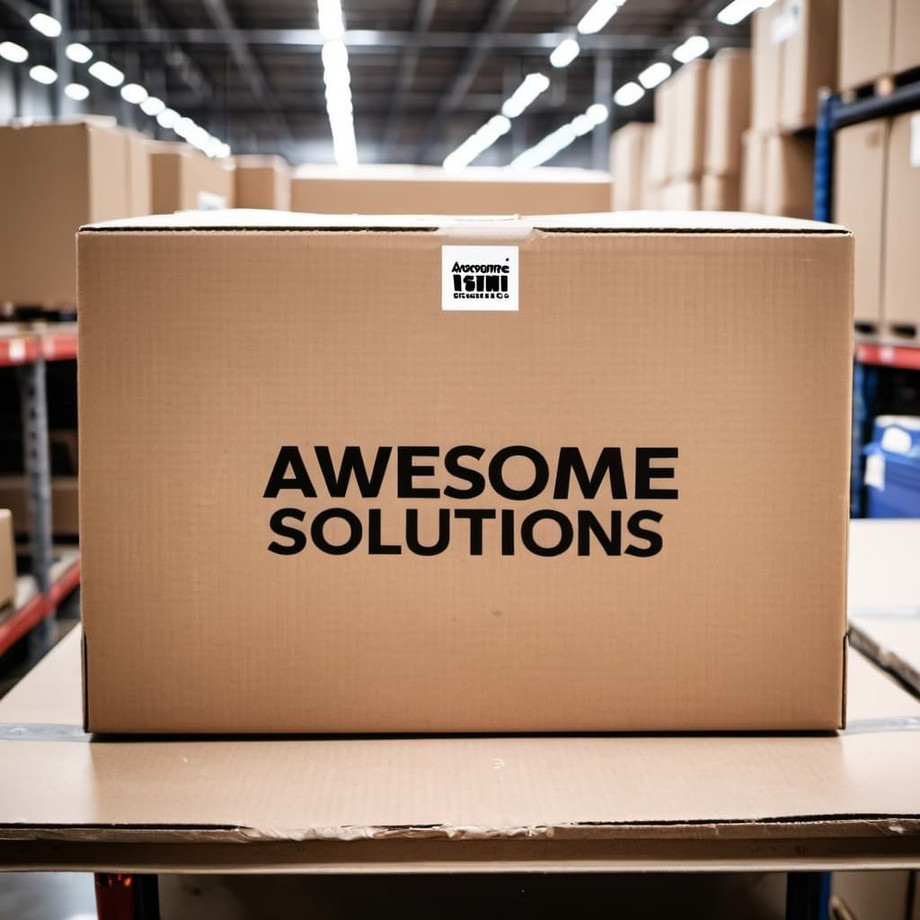
Cost Breakdown: FBA Prep vs In-House Warehouse
1. Facility and Overhead CostsFBA Prep Service
No warehouse lease or long-term commitments
No utilities, insurance, or maintenance expenses
Pay only for services used
In-House Warehouse
Monthly rent or long-term lease obligations
Utilities, insurance, and facility maintenance
Storage racking, safety compliance, and ongoing upkeep
For high-volume brands, facility overhead alone can significantly strain cash flow.
2. Labour Costs
FBA Prep Service
Labour included in service pricing
No hiring, training, or payroll management
No seasonal staffing challenges
In-House Warehouse
Salaries, hourly wages, and overtime
Payroll taxes, benefits, and HR administration
Training costs and employee turnover risk
Labour expenses often increase unpredictably during peak seasons, directly impacting margins.
3. Equipment and Setup CostsFBA Prep Service
No upfront capital investment
Access to professional-grade equipment and systems
In-House Warehouse
Printers, scanners, packing stations, and workbenches
Pallet jacks or forklifts
Inventory and warehouse management software
Initial setup costs can be substantial and often grow as operational volume increases.
4. Compliance and Error Costs
FBA Prep Service
Teams experienced with Amazon FBA requirements
Lower risk of labelling, packaging, or carton errors
In-House Warehouse
Higher error risk during onboarding and scaling phases
Shipment rejections, delays, and relabeling fees
Potential penalties or inventory check-in issues
Working with an experienced FBA prep partner like Awesome Solutions helps reduce costly compliance mistakes that can delay inventory availability and disrupt sales.]
5. Shipping and Inbound Efficiency
FBA Prep Service
Shipment consolidation across SKUs
Optimized carton and pallet builds
Lower per-unit inbound shipping costs
In-House Warehouse
Requires deep logistics and freight expertise
Inefficient shipment plans can increase freight and Amazon placement fees
Inbound shipping efficiency plays a major role in overall Amazon profitability.
Which Option Works Best for High-Volume Brands?
In most cases:
FBA prep services are ideal for brands seeking flexibility, faster scaling, and predictable costs
In-house warehouses typically make sense only when volume is extremely high, and operations are tightly controlled
Many growing Amazon brands find that outsourcing prep to providers such as Awesome Solutions allows them to focus on sales, marketing, and brand growth rather than warehouse management.
Final Thoughts
For high-volume Amazon sellers, the decision between FBA prep and an in-house warehouse should be based on total cost, operational risk, and efficiency, not just per-unit pricing.
When all factors are considered, facility overhead, labour, compliance risk, inbound shipping, and management time, outsourcing to an FBA prep service often delivers stronger margins and smoother long-term scalability. The most successful brands choose the model that protects profit while supporting sustainable growth.

Comments
Post a Comment